
What to Wear for Corporate Headshots: A Photographer's Guide to Looking Your Best

If you're scheduling a professional headshot, one of the first questions you may have is what should I wear?
For most corporate headshots, I recommend starting with solid colors, clothing that fits you well and an outfit that feels appropriate for how you plan to use your photograph. I generally prefer solids over busy patterns because I want the attention to stay on you—not on your clothing.
But that doesn't mean everyone needs to arrive at my studio wearing a suit or blazer.
I've photographed headshots for medical professionals, realtors, authors, politicians and people who simply needed an updated photograph for their website or social profiles. What looks appropriate for one person may not make sense for another.
An author, for example, may want a polished professional headshot along with a second, more relaxed look that feels more like their personality. Someone having a photograph taken for their employer may have specific requirements for the background, framing or even how a company logo needs to appear.
That's why my advice isn't simply “wear this color and avoid that one.”
Before choosing your outfit, think about where the photograph will be used, who will see it, and how you want to present yourself. Your headshot should still look like you—just a polished, professional version of you.
Dress for How You'll Use Your Headshot
Before deciding what to wear, think about where your headshot is going to be used. The right outfit for a company website may be very different from what an author wants for the back of a book or what someone might choose for an updated social profile.
I've photographed people from many different professions, and one thing I've learned is that there isn't a single outfit that makes someone look “professional.”
A medical professional may want something polished and appropriate for their practice. A realtor or business professional may want to look professional while still appearing friendly and approachable. An author may want something more relaxed that reflects their personality, especially if the photograph will be used on a book jacket, website or social media.
Sometimes clients want both.
I've had authors, for example, choose one more traditional professional look and then change into something more relaxed for their second outfit. That gives them photographs they can use for different purposes without needing another headshot session.
The same idea applies outside of traditional corporate settings. If you're updating LinkedIn or another professional profile, think about how you normally present yourself to clients, coworkers or potential employers. You don't necessarily need to dress more formally than you ever would in real life.
The goal is for your headshot to look professional without making you look like someone you're not.
Start With the Requirements, If You Have Them
There is one exception to choosing your look entirely based on personal preference: when someone else has given you specifications for the photograph.
Some employers, corporate offices or organizations require headshots to have a particular background color, crop or framing so everyone's photographs look consistent. There may also be branding requirements, such as having a company logo visible.

If you've been given headshot requirements, send them to me before your session.
The Best Colors for Professional Headshots
When it comes to choosing a color for your headshot, I usually recommend starting with solid colors rather than busy patterns. A headshot is meant to draw attention to your face and expression, and a simple solid color helps keep the focus where it belongs.
That doesn't mean there is one perfect color everyone should wear.
I often use a neutral brown background in my studio because it works well with many different clothing colors and gives the portrait a warm, professional look. I also have clients who prefer gray or white backgrounds, and sometimes the background is determined by specific requirements from their company or organization.
Because of that, it's helpful to think about your clothing and background together.
If you already know that your company requires a white background, for example, you may not want to arrive wearing an all-white outfit that could blend into it. The same principle applies to other background colors. A little separation between your clothing and the background helps you stand out in the photograph.
Do You Have to Wear Neutral Colors?
Not at all.
Professional doesn't have to mean navy, gray, black or beige. If a richer or brighter color is something you normally wear and it represents your personality or brand, it can work beautifully in a headshot.
What I would be more cautious about are very busy prints, tiny patterns or clothing with several competing colors. Those details can pull attention away from your face, especially when the finished photograph is displayed fairly small on a company website or social profile.
When you're unsure between two colors, bring both if your session allows for an outfit change. We can see how each works with your skin tone, the background and the overall look you're trying to create.
The best color isn't necessarily the one a headshot guide tells you to wear. It's the one that photographs well, works for the purpose of your headshot and still feels like you.
What Women Can Wear for Professional Headshots
For women, I recommend choosing an outfit that feels polished, comfortable and appropriate for the way you normally present yourself professionally. That could be a blazer and blouse, a simple dress, a sweater or a favorite solid-colored top.
You don't need to buy something new just because you're having a professional headshot taken. In fact, wearing something you already know fits well and makes you feel comfortable can be a better choice than showing up in an outfit that doesn't feel like you.

A blazer can create a more traditional business look, but it certainly isn't required. If your profession or personal brand is more relaxed, a simple top or sweater may give you a professional image that feels much more natural.
Necklines, Layers and Jewelry
When choosing a top, pay attention to how the neckline will look in a photograph that may be cropped fairly close. You want enough of the clothing visible that the portrait feels balanced without the neckline becoming the first thing someone notices.
Layers can also give you options. Adding or removing a blazer, jacket or cardigan can sometimes change the look of a headshot without requiring an entirely different outfit.
For jewelry, I generally recommend thinking about the same principle I use with clothing: don't let it compete with your face. Simple jewelry is usually an easy choice, but if a larger or more distinctive piece is part of your normal style or personal brand, you don't necessarily need to leave it at home.
The goal isn't to remove all of your personality to make the photograph look professional.
Hair and Makeup
For hair and makeup, I recommend choosing a look that feels familiar to you rather than trying something completely different just for your headshot.
If you normally wear makeup, your headshot isn't necessarily the time to suddenly go much heavier—or much lighter—than usual. The same applies to your hair. Choose a style you feel comfortable with and that reflects how people are likely to see you professionally.
Most importantly, make choices that help you feel confident when you step in front of the camera. When you're comfortable with how you look, it makes the entire headshot experience easier.
What Men Can Wear for Professional Headshots
For men, the same basic principle applies: choose clothing that looks polished but still makes sense for your profession and how you normally present yourself.
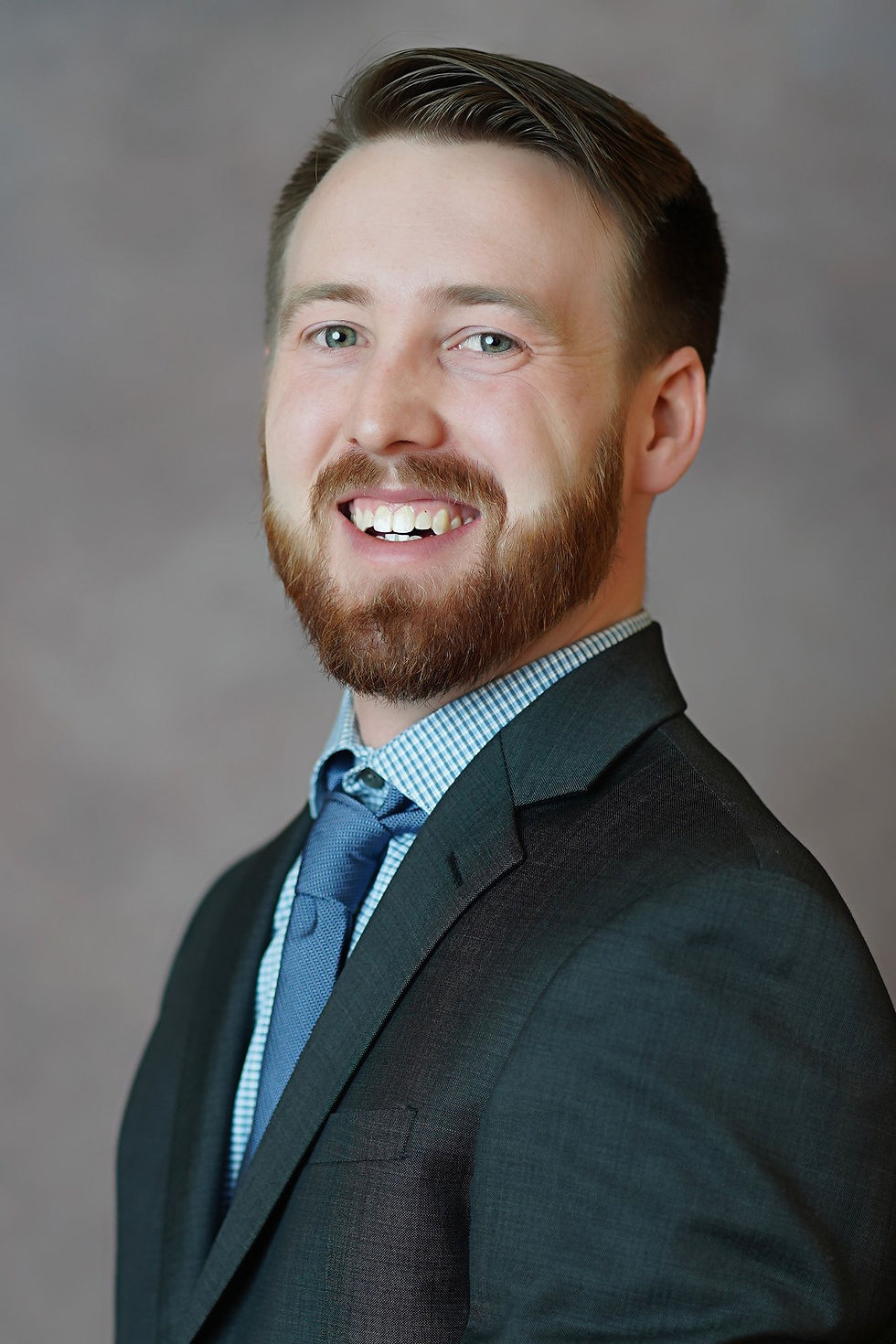
For a more traditional corporate look, a suit or sport coat with a button-down shirt can work very well. A tie can make the portrait feel more formal, while leaving the tie off can immediately create a slightly more relaxed professional look.
But a jacket isn't required for every headshot.
Depending on your profession and where the photograph will be used, a solid button-down, polo or even a nice sweater may be completely appropriate. Someone updating a business profile may want a different look than an executive whose company expects a more traditional corporate portrait.
Pay Attention to Fit
Whatever you choose, fit matters more to me than whether the clothing is expensive or follows a particular style rule.
A shirt that pulls across the buttons or a jacket that feels too tight can become more noticeable once you're posed for the photograph. Clothing that's much too large can also bunch or add extra fabric around the shoulders and neckline.
Try your outfit on before the day of your session. Sit in it, move your arms and make sure you're comfortable. If you're constantly adjusting your collar or pulling at your jacket, you're probably going to be thinking about your clothing instead of relaxing in front of the camera.
Tie or No Tie?
This really comes down to how you want to use the photograph.
If you normally wear a tie professionally or your company expects a more formal image, wear one. If your everyday professional style is more relaxed, you don't need to add a tie simply because you're having a headshot taken.
If your session includes a second look, we can even create both versions. Something as simple as removing a tie or jacket can give you another headshot with a noticeably different feel without completely changing your outfit.
And just as I recommend for women, I generally prefer solid colors and minimal distractions. If your shirt has a logo, consider whether that logo belongs in the final photograph. A random clothing brand can pull attention away from you, while your own company logo may be something you specifically need visible.
Your headshot should represent the way you want clients, colleagues or potential employers to see you—not someone else's definition of how a professional man is supposed to dress.
Should You Bring More Than One Outfit?
You don't necessarily need several outfits to get a great professional headshot. If you only need one or two photographs for a company website, business profile or another specific purpose, one well-chosen outfit may be all you need.

There are times, though, when having a second look can be useful.
If you need photographs for several different purposes, changing your outfit can give you more variety from the same session. You might choose one more traditional professional look and another that's slightly more relaxed. I've had authors do this because they may want one image for a professional website or book-related use and another that feels more casual and personal.
Sometimes you don't even need a completely different outfit. Removing a blazer, changing a shirt or making another simple change can give the second set of photographs a different feel.
Think About What You Actually Need
Before bringing half your closet to the studio, think about how many different looks you will realistically use.
My headshot sessions are designed differently from my regular studio portrait sessions because most headshot clients don't need a large gallery of photographs. They may simply need a few strong images for a website, book, company profile, LinkedIn or another professional use.
My Mini Headshot Session is designed for one outfit, while my Standard Headshot Session gives you the option of two outfits and backgrounds. If you know you need photographs with different looks or for different purposes, the additional outfit and background can give you that variety.
If you're not sure what you want to wear, you can also bring a few options with you. I've had clients arrive with several outfits and ask for my opinion, and I'm always happy to help.
That doesn't mean we have to photograph every outfit you bring. Sometimes it simply helps to see the choices in person and consider the background, colors, fit and how you plan to use the finished photograph. From there, I can help you decide which option I think will photograph best and give you the look you're trying to achieve.
You don't have to have every wardrobe decision figured out before you walk through the studio door. If you're between a few options, bring them and we'll decide together.
Patterns, Logos and Accessories: What Should You Avoid?
When choosing clothing for your headshot, I generally recommend keeping things simple enough that your face remains the focus of the photograph.
That's one of the reasons I prefer solid colors over busy patterns. Just like with family portraits, a strong pattern can sometimes become the first thing you notice when you look at the image. Small, tightly spaced patterns can also be distracting in a photograph, especially when the headshot is displayed at a smaller size online.
This doesn't mean you have to wear something completely plain. The question I would ask is: when someone looks at the photograph, are they going to notice you first or your clothing?
What About Logos?
I usually recommend avoiding clothing with visible logos, but there is an important exception: your own company logo may be part of the reason you're having the headshot taken.
I've photographed clients whose corporate office wanted their company logo visible in the finished photograph. In that situation, the logo isn't a distraction—it's an intentional part of the image and may even be a requirement.
If your company has specific branding guidelines or requires a logo to be visible, let me know before your session so I can take that into consideration when we're choosing the background, posing, and framing.
For other logos, especially prominent clothing-brand logos or graphics that have nothing to do with your profession, I would usually choose something else. They can draw attention away from you without adding anything meaningful to the photograph.
Keep Accessories Intentional
The same idea applies to jewelry, watches, glasses and other accessories.
You don't need to remove something simply because it's noticeable. If you wear a particular necklace, pair of glasses or other accessory regularly and it feels like part of you, there's no reason your professional headshot can't reflect that.
Instead of following a rule that says accessories must always be small or minimal, think about whether each piece adds to your look or competes with it.
Ultimately, I want the person looking at your headshot to notice you. Your clothing and accessories should help tell them something about who you are professionally without becoming more important than the person wearing them.
How to Prepare for Your Headshot Session
Once you've decided what to wear, there are a few simple things you can do before your session to make the experience easier.
Start by trying on your outfit ahead of time. Make sure you're comfortable sitting, standing and moving in it, and take a quick look for anything you might not notice while it's hanging in your closet. Wrinkles, missing buttons, pet hair or a collar that doesn't sit quite right can become much more noticeable in a close-up photograph.
If you're bringing more than one option because you haven't decided what to wear, that's perfectly fine. You don't have to make the final decision at home. Bring your choices with you, and I'm happy to help you decide what will work best once I can see them in person.
Send Me Any Headshot Requirements Before Your Session
If your employer, corporate office or organization has provided specifications for your headshot, please send those to me before your session whenever possible.
Those requirements might include a particular background color, the way the photograph needs to be framed or cropped, or whether a company logo needs to appear in the image.
Knowing that information ahead of time allows me to prepare the studio and make sure we capture what your company needs.
Keep Hair and Grooming Familiar
You don't need to completely change your appearance for a professional headshot. Whether it's your hairstyle, makeup, facial hair or other grooming choices, I recommend presenting yourself in a way that feels familiar and appropriate for how people normally see you.
If you're planning a haircut or another significant change, giving yourself enough time beforehand to make sure you're happy with it can also help you feel more comfortable on the day of your session.
Don't Worry About Knowing How to Pose
You also don't need to practice poses or know what to do with your hands before you arrive.
That's my job.
I'll guide you through posing and make adjustments as we go so we can create different expressions and looks. Most people aren't in front of a professional camera every day, so you aren't expected to walk into the studio already knowing exactly what to do.
Preparing for your headshot really comes down to a few things: bring clothing you feel good in, share any requirements with me ahead of time and come ready to create a photograph that represents you professionally.
Frequently Asked Questions About What to Wear for Corporate Headshots
What is the best color to wear for a corporate headshot?
There isn't one color that's best for everyone. I generally recommend solid colors because they keep the attention on your face rather than your clothing. Your background also matters, so it's helpful to choose a color that gives you some separation from the background we'll be using.
If your company requires a particular background color, let me know ahead of time so we can take that into consideration when choosing your outfit.
Do I have to wear a suit or blazer for a professional headshot?
No. A suit or blazer can be a great choice for someone who wants a traditional corporate look, but it isn't the definition of professional.
Think about your profession, where the photograph will be used and how you normally present yourself. A realtor, author, medical professional and business executive may all want very different looks from their headshots.
Can I wear a patterned shirt or blouse?
You can, but I generally prefer solid colors over busy patterns. Patterns can draw attention away from your face, particularly when your headshot is displayed as a small image on a website or professional profile.
If you're unsure about something you want to wear, bring it with you along with another option and I'm happy to help you decide.
Can I wear my company logo in my headshot?
Yes. While I normally recommend avoiding unnecessary logos or graphics, a company logo is different when it's intentionally part of your professional image.
Some companies even require their logo to be visible in employee headshots. If that's the case, let me know before your session so I can make sure we photograph it appropriately.
Should I bring more than one outfit?
You certainly can, especially if you're unsure which outfit will photograph best. Bringing several choices doesn't mean we have to photograph all of them. We can look at your options together, and I'm happy to help you decide which one I think will photograph best for the type of headshot you need.
If you'd like two distinctly different looks, my Standard Headshot Session allows for two outfits and backgrounds.
What if my company has specific headshot requirements?
Please send them to me before your session. Companies sometimes have requirements for background color, framing, cropping, branding or other details.
Having those specifications ahead of time helps me prepare the studio and make sure we capture the images you need.
Ready to Update Your Professional Headshot?
Choosing what to wear for corporate headshots doesn't have to be complicated. Start with clothing that fits well, keep distractions to a minimum and think about how and where you'll be using your photograph.
Most importantly, a professional headshot doesn't have to make you look like someone you're not. Whether you need a traditional corporate portrait, something more relaxed for an author profile or simply a fresh photograph for your professional presence online, we can create a headshot that feels appropriate for what you need while still looking like you.
If you're ready for an updated headshot, you can learn more about my Headshot Photography sessions in Alamogordo, New Mexico, including current session options and pricing, on my Headshots page.


Comments